01 / PLAN
Systems Architecture
& Planning
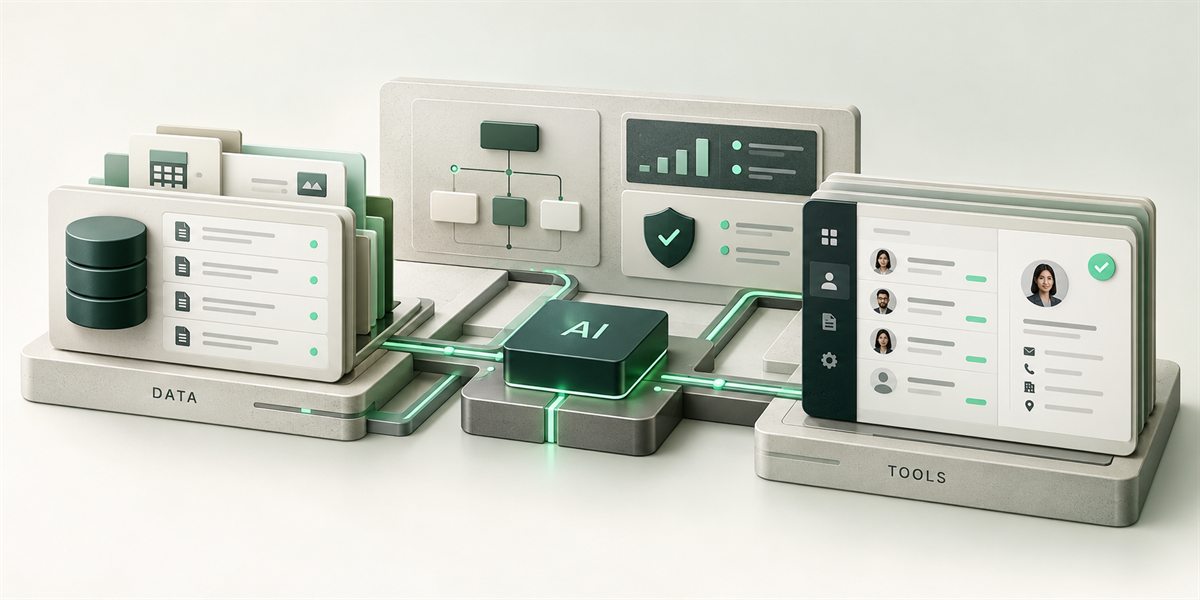
Turn a complex business problem into a clear technical plan. Define the workflows, connections, and priorities before you invest in the build.
Explore ArchitectureAI & Automation · Architecture · Software
We design, build, and support custom software, integrations, and AI workflows that keep your operations connected and reliable.
Let’s discuss your systems, priorities, and the right next step.
How we help
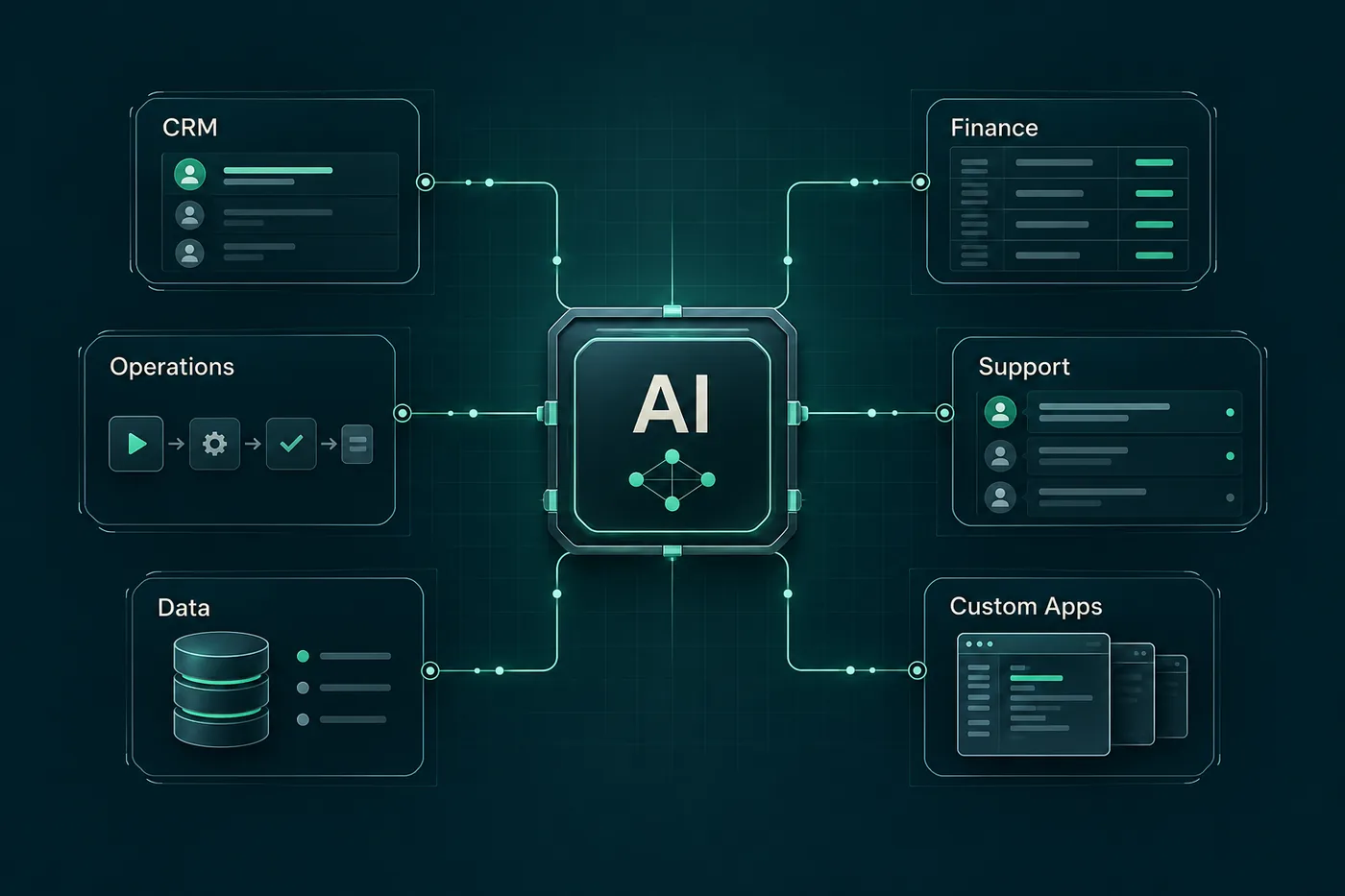
From the first architectural decision to the systems already running your business, we help you move forward with clarity.
Turn a complex business problem into a clear technical plan. Define the workflows, connections, and priorities before you invest in the build.
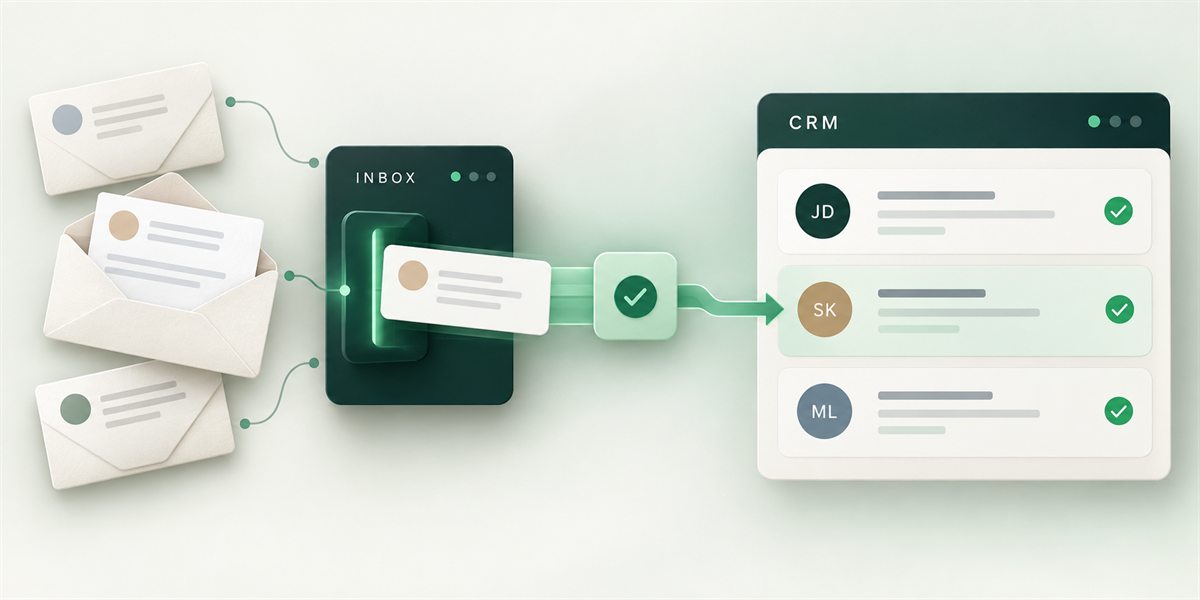
Explore ArchitectureReduce repetitive work across intake, support, and internal operations. Put AI where it adds value, with clear rules for human review.
Explore AutomationBuild the applications and connections your business needs. Bring scattered data, daily tasks, and customer workflows into a system that fits.
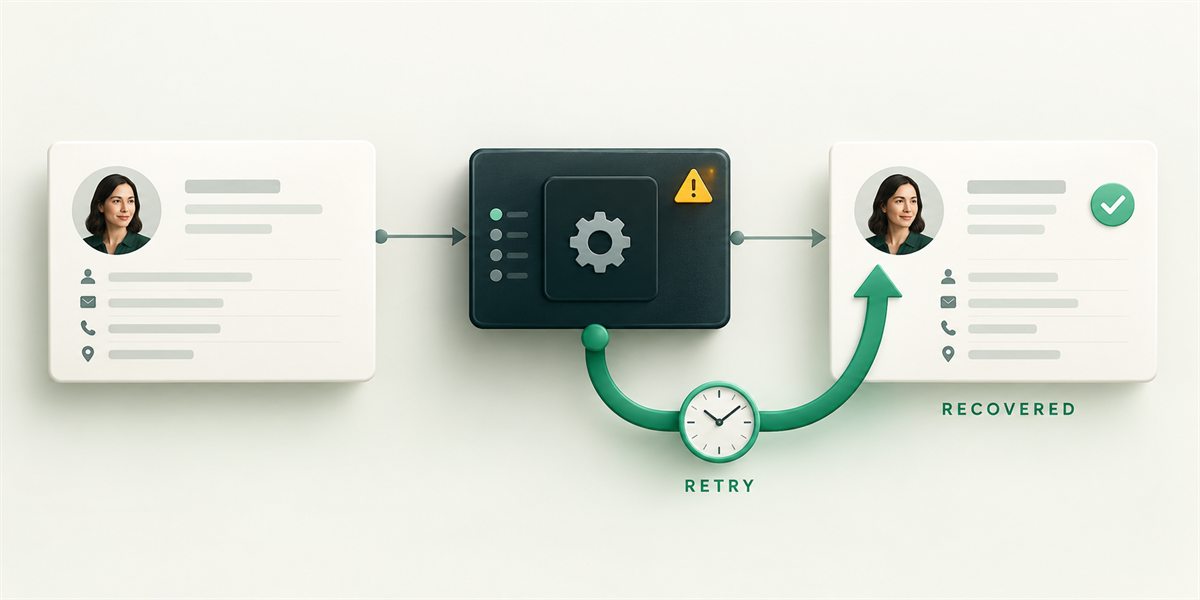
Explore DevelopmentStrengthen the systems you depend on. Make failures visible, improve recovery, and give your team a clear path when something needs attention.
Explore ReliabilityStart with a focused engagement or bring us in across the full delivery lifecycle.
Systems in practice
A few real systems we’ve designed, built, and run in production.
A growing furniture service business connected its inbox, SMS, CRM, estimates, invoices, and job systems into one AI-assisted sales operation. Leads are captured, qualified, and followed up automatically, so the sales team can focus on closing.
An AI chatbot analytics tool we built for our own clients became a multi-tenant SaaS platform, with isolated customer workspaces, a self-service customer portal, subscription billing, and AI insights that show teams what to improve next.
Our approach
The interface is only one part of the system. The decisions underneath it determine how well it serves your business after launch.
Understand the process, the data, and the constraints before choosing the tools.
Plan for validation, exceptions, retries, and the moments that need a person.
Agree on documentation, ownership, and ongoing support so your team knows what comes next.
You know what we’re solving, how we’ll approach it, and what happens next.
Map the problem, current systems, and the outcomes that matter to your team.
Agree on the architecture, priorities, milestones, and responsibilities.
Implement, test realistic scenarios, and prepare your system and team for launch.
Continue with monitoring, maintenance, and improvements scoped to your needs.
Eldon and his team are extremely communicative and a pleasure to work with. I highly recommend them! I will certainly be rehiring them in the future when my next need arises. I’m so thankful I found them!
Before we begin
Every business has a different starting point. Here’s how we approach the common ones.
Ask us a questionYes. We start with the tools and workflows you already use, then assess their APIs, integration options, and constraints. The plan makes clear what can stay, what needs to connect, and where changes would help.
That depends on the problem. A straightforward integration or rules-based automation may be the best fit. Where AI is useful, we define its role, the information it can use, and when a person should review or take over.
Pricing follows the agreed scope, technical complexity, integrations, and support requirements. The initial conversation establishes fit. If important requirements need investigation, we propose a paid discovery engagement before estimating the implementation.
Yes, subject to an initial assessment. We review the implementation, access, documentation, and known issues before recommending improvements or agreeing to support. That assessment helps separate targeted fixes from work that needs a broader redesign.
We agree on documentation, handover, and any ongoing support before delivery. Monitoring, maintenance, incident response, and improvements are defined in the support scope, including coverage and response expectations.
Timing depends on the scope, system access, external dependencies, and review availability. We agree on milestones and responsibilities before work begins, and communicate any changes as the project progresses.
From the journal
Let’s talk about your systems
Tell us where things get stuck. We’ll discuss your goals, the systems involved, and a practical next step.
A conversation about fit, priorities, and possibilities.
Better together
Bring architecture, automation, and software engineering expertise to your client engagements.
Explore partnershipsKnow a business facing a systems challenge? Let’s explore how we could help.
Explore the referral programSystems Architecture & Planning
A focused architecture engagement connects the business goal to the technical plan, with enough clarity to scope and prioritize implementation.
AI & Workflow Automation
We design automation around how work actually moves through your business, including the exceptions and decisions that need human judgment.
Custom Software & Integrations
When standard tools leave important gaps, a purpose-built application or integration can connect the work, data, and people involved.
Production Reliability & Support
Reliability work helps your team understand how a system behaves in production, where it can break, and how to recover when it does.
Case study · Furniture service business
A growing furniture service business had the right tools (web forms, a sales inbox, phone and SMS, chat, a CRM, estimates, invoices, and a job platform), but they didn’t work as one system. We built a multi-agent sales infrastructure that handles intake, routing, and follow-up automatically, and keeps people involved wherever judgment matters.
A coordinated team of AI agents, each with one clear job. Zoho CRM checks every event against the customer’s history before anything happens, while n8n, Zoho Flow, custom code, and API integrations connect it to every other system.
The outcome
Inquiries are captured, classified, and routed the moment they arrive, and follow-up runs on its own. Instead of sorting leads and chasing replies, the sales team now spends its time closing deals.
Case study · ChatFlowIQ
ChatFlowIQ started as an internal reporting tool for our own chatbot clients. When those clients asked for direct access, we turned it into a commercial SaaS product: every customer gets an isolated workspace and a self-service portal that turns thousands of chatbot conversations into clear reporting and AI-generated insights.
One shared platform where every customer works in its own isolated workspace. Credentials, billing, and AI processing stay on the server, and the customer portal presents the results in plain language.
The outcome
Agencies, chatbot builders, and customer experience teams can sign up, subscribe, and get insights on their own. New customers are added without a separate deployment for each one, and AI usage stays tied to what each plan pays for.